Engineering Tools

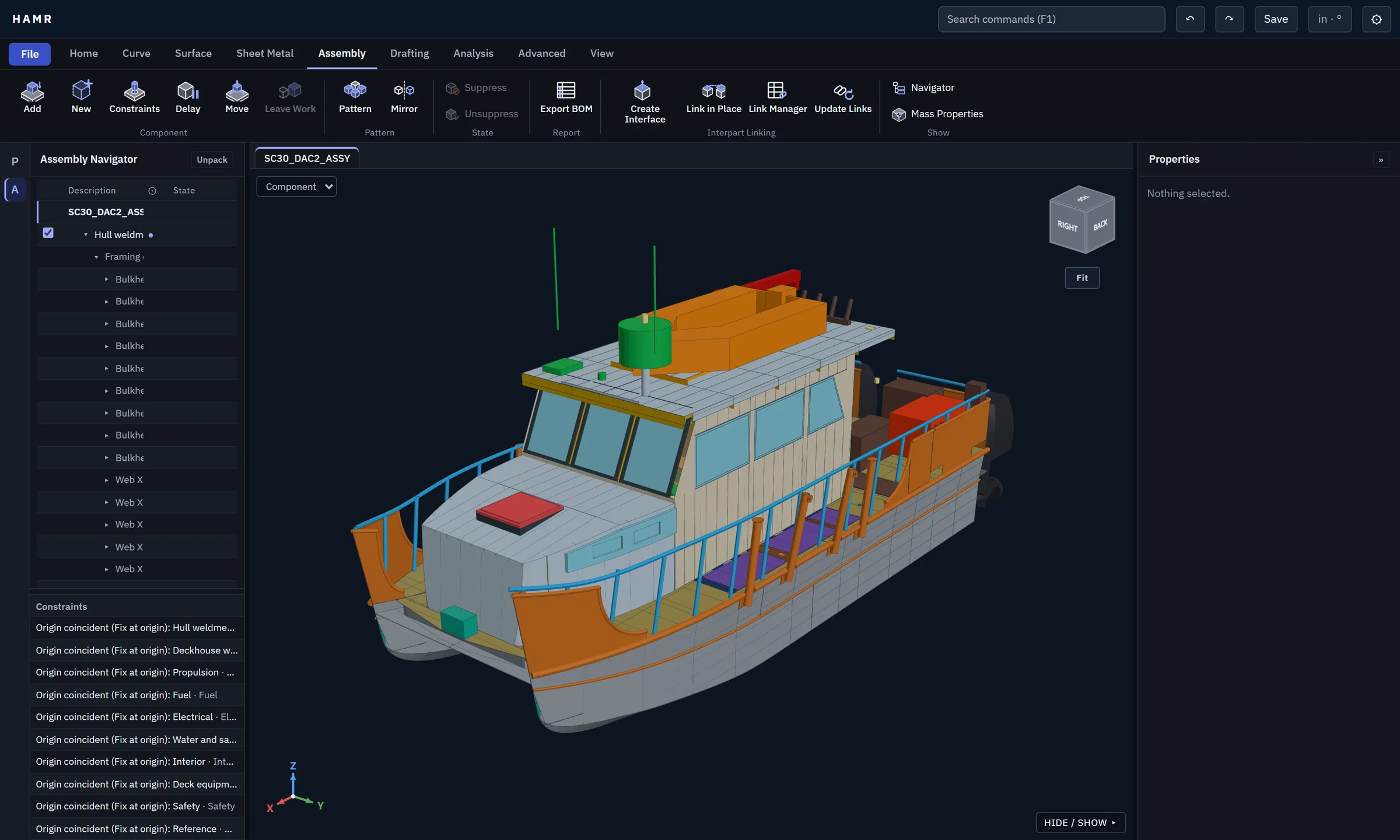
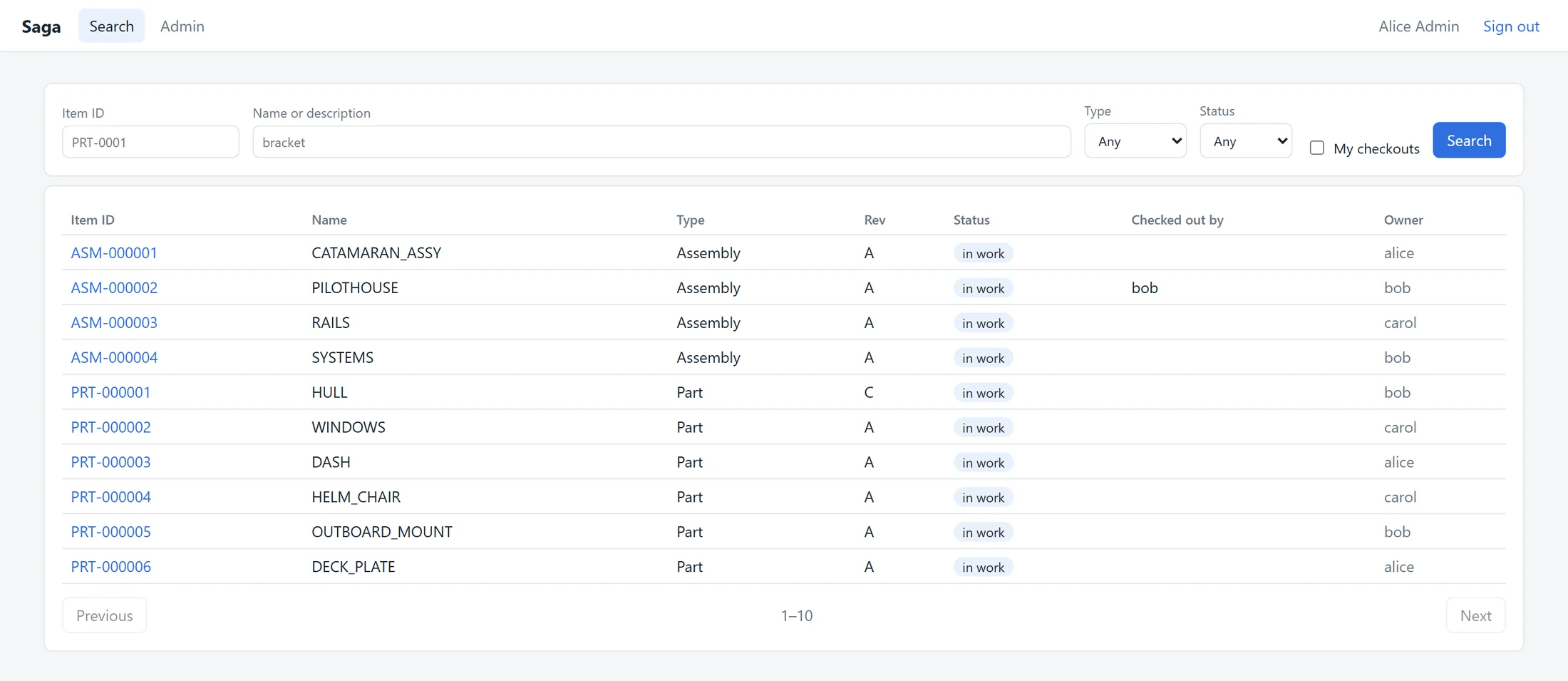
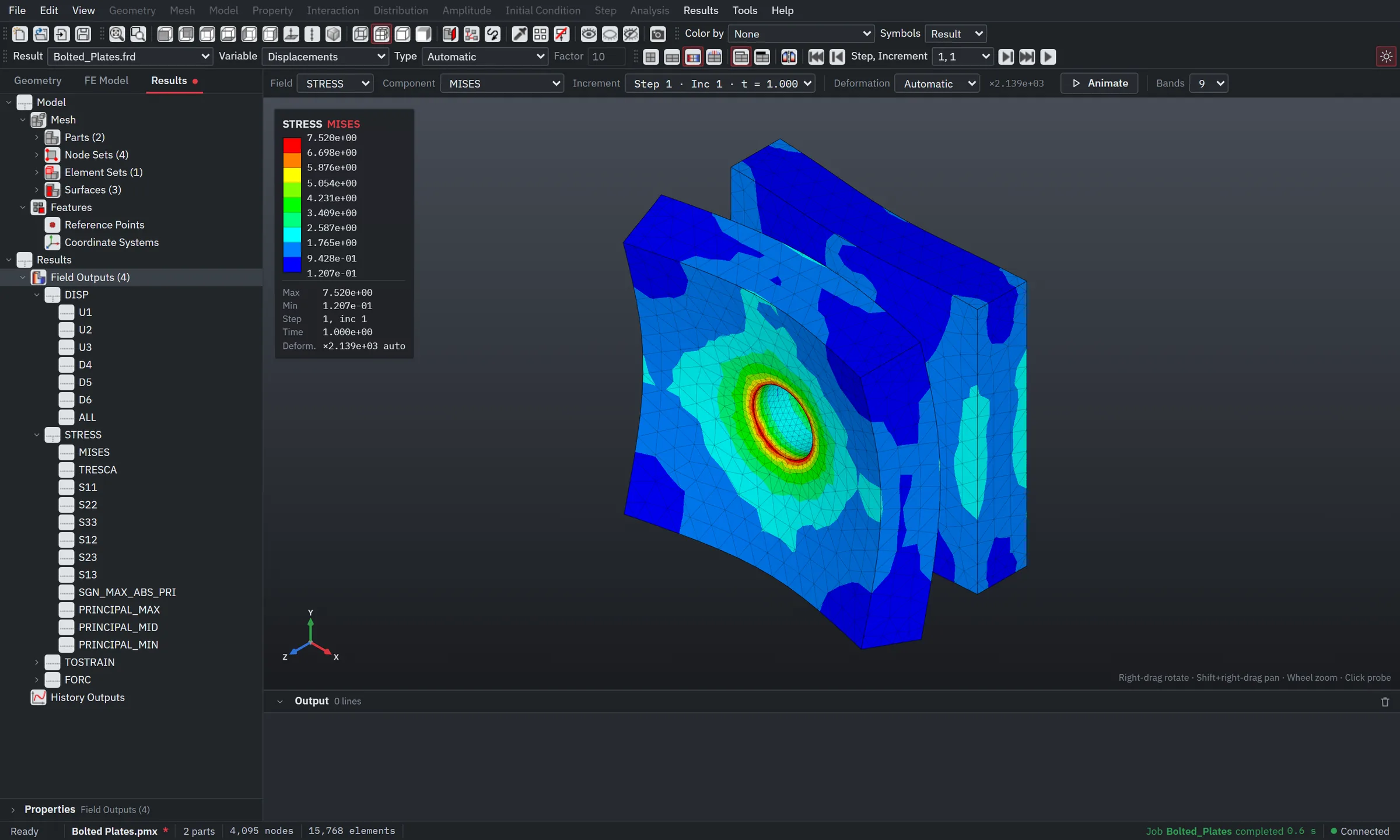
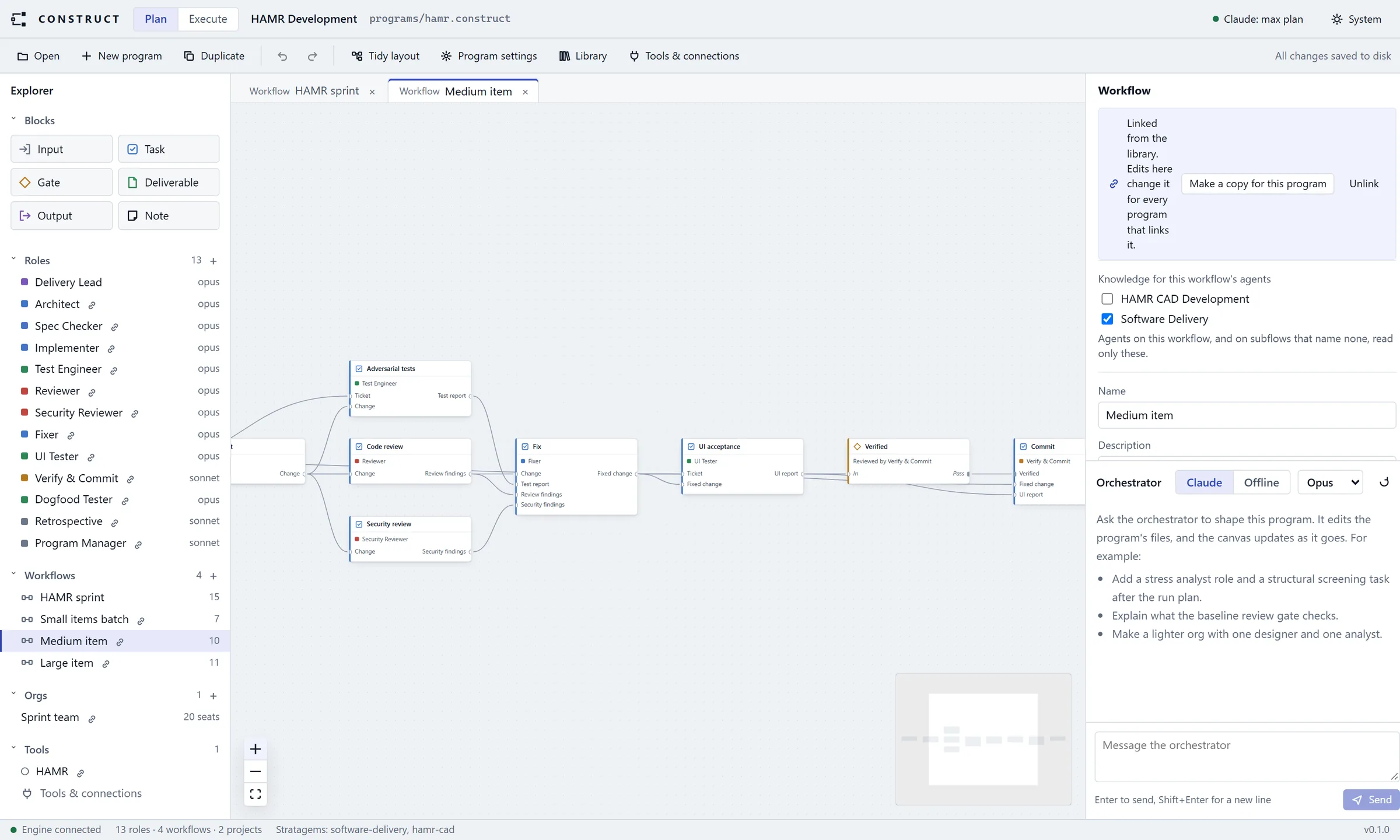
Four tools that cover the path from model to verified design. HAMR builds the geometry, Saga keeps its revisions, PPMX tests it under load, and Construct runs the agents that do the work, with a person approving at each gate.

Principles

Three ideas behind every tool here.

Structure turns probability into process

Agents are probabilistic. Give one the same task twice and it may take two different paths. Consistent, repeatable results come from what engineering has always relied on: written requirements, defined workflows, review gates that check the work against criteria, and a record of what was done.

The agent supplies the effort. The structure makes the outcome predictable.

Human-Agent Interoperability

Agentic workflows should complement human work, not replace it. These tools let agents automate large swaths of work through scripts, APIs and MCP servers, but at any point a person can step in to drive or verify. Results are only as good as they are verifiable and reproducible, so the work stays human-readable: CAD built feature by feature and kept editable, reports delivered as Word documents rather than chat transcripts.

The result may not look exactly like what a person would have done by default. But any engineer should be able to open it, understand it and carry on from where the agent stopped.

Start small and proven, then scale

No reinventing the wheel or boiling the ocean required. By allowing integration with proven solutions, the tools here use and extend proven tools such as Open CASCADE, CalculiX and PrePoMax, and work in the formats teams already use: STEP, IGES, DXF, PDF, Word, Excel and git. The user can focus on executing in whatever form or with whatever tool they are comfortable with.

For novel workflows, nested workflows let the user build confidence in a small chain of work before assembling those chains into full projects.